Postharvest practices

This website has been archived and is no longer maintained.

This website has been archived and is no longer maintained. Older content or site functionality may not be accessible or functional in newer browsers. If you require accessible documents, please contact the Department of Plant Sciences for further information.

Postharvest practices icon

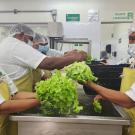
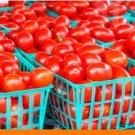
After harvest, fruits and vegetables need to be handled with care to maintain freshness, nutrient content, taste and quality. Fruits and vegetables are highly perishable, and so poor after harvest handling can result in losses. The field of postharvest practices addresses issues of handling, transportation and temperature control for crops after harvest. Good postharvest handlng is critical to reducing postharvest losses of fresh produce, to maintain quality, preserve nutrient content, and earn higher prices at market.

Horticulture Innovation Lab researchers test the efficacy of postharvest technologies and build capacity among local leaders in postharvest practices. Below are fact sheets, videos, manuals, and other training materials for improving postharvest practices with horticultural crops.
Elevating DryCard™ and Dry Chain Innovations Across Regions to Reduce Food Loss

Posted on
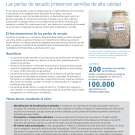
The dry chain, modeled after the cold chain, ensures that dried commodities reach safe moisture levels before storage, preventing postharvest losses. Horticulture Innovation Lab team with researchers at the University of California, Davis, have pioneered affordable drying technologies such as the DryCard™, chimney dryer, and pallet dryer, providing small-scale farmers with practical tools to enhance food preservation and reduce economic losses.

Advancing Postharvest Innovation: Training at Zamorano University

Posted on
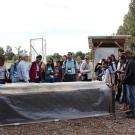
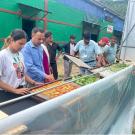
Collaborative locally led training initiative locally led by the Horticulture Innovation Lab Central America Regional Hub based at Zamorano University, brings together small-scale producers, private companies, and NGOs to address critical challenges in postharvest handling of fruits, vegetables, and grains across Central America.

Nepali-Led Innovation Shows Promise for Global Food Security: Local Research Team Drives Climate-Smart Solution

Posted on
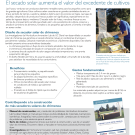
An initiative led by FORWARD Nepal is improving food preservation through a solar drying technology that speeds up drying and protects products from dust and insects. The locally-led project is not only helping farmers reduce postharvest losses, but also creating new economic opportunities for women and youth entrepreneurs across three districts, with promising results for crops like radish and bitter gourd.