Guatemala

This website has been archived and is no longer maintained.

This website has been archived and is no longer maintained. Older content or site functionality may not be accessible or functional in newer browsers. If you require accessible documents, please contact the Department of Plant Sciences for further information.

14.5533884, -90.4785495

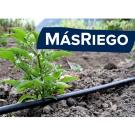
As part of Feed the Future, the Horticulture Innovation Lab has conducted research in Guatemala focused on drip irrigation, conservation agriculture, climate-smart agriculture, nematodes, soil health, small-scale entrepreneurship, low-cost technologies, and other topics critical to advancing horticulture in Guatemala's Western Highlands region. 

This page includes links to Horticulture Innovation Lab research projects, major partners and partner organizations based in Guatemala, along with blog articles and information products with a focus on horticulture in Guatemala.

Luis Peñate

  • Co-PI
Mgtr. Luis Peñate is an Agronomist in Agricultural Production Systems with a master's degree in Crop Protection, and extensive experience in the design of productive systems, integrated pest management and rational use of pesticides. He currently serves as Dean ad interim for the Faculty of Environmental Sciences and Agriculture of the Rafael Landívar University, Guatemala.

Ana Lucía Juárez

Ana Lucía Juárez has 6 years of experience in the production of vegetables and non-tropical fruit crops. Working directly with smallholders, her aim is to increase yield and improve crop quality while seeking access to better markets.

Jaime Torres

Jaime Torres graduated in Agronomic Engineering, with a specialty in Plant Protection at the Zamorano University (Honduras) in 1990, and has over three decades of experience working for institutions dedicated to research, crop production, capacity building, technological transfer, and commercialization.

Promoting technology for horticulture production as adaptation to weather change in Guatemala

Led by Rolando Cifuentes,
For highland farmers who face elevated risks due to weather change, this project identifies the most effective protective structures, irrigation technologies, practices to improve soil health, and postharvest management practices to ensure the production of high-quality, safe, and nutritious produce.
Guatemala